
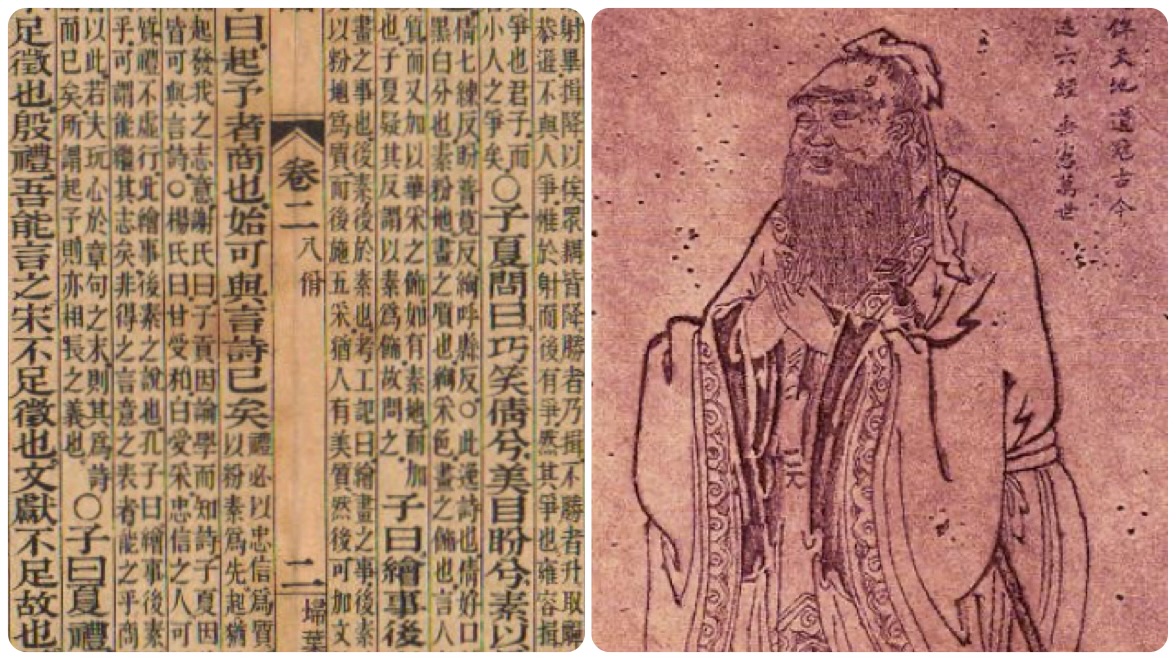
Among the greatest philosophers of the ancient world, Confucius stands as the thinker who transformed morality into a practical system for family, society, and government. Born in 551 BCE in the state of Lu in ancient China, Confucius developed a philosophy centered on ethical conduct, social harmony, education, and responsible leadership. His teachings, preserved mainly in the Analects, shaped East Asian civilization for more than two millennia. 
The Heart of Confucian Philosophy: Ren and Li
At the core of Confucius’s thought are two foundational ideas: ren and li.
• Ren means humaneness, benevolence, or compassion toward others
• Li refers to proper conduct, ritual discipline, manners, and respect for social roles
Confucius believed that a stable society begins with moral individuals who practice kindness, empathy, and disciplined behavior in everyday life. For him, ethics was not abstract theory but a lived code of conduct expressed through action, speech, and relationships. 
Filial Piety and Social Order
One of his most influential teachings is filial piety, the duty of children to respect parents and ancestors. Confucius saw the family as the first school of morality. If respect exists within the home, harmony can extend outward to society and the state.
This philosophy created a model in which:
• families nurture virtue
• rulers govern through moral example
• citizens act with responsibility
• society functions through mutual respect
His belief was simple yet profound: good governance begins with good character. 
Education and the Ideal Person
Confucius is also remembered as one of history’s greatest teachers. He believed education should be available to all who are willing to learn, not only to elites. The goal of learning was to become a junzi, often translated as the “noble person” or “superior person,” someone guided by virtue, wisdom, humility, and self-discipline. 
This made his philosophy deeply practical: a person improves society by first improving the self.
Politics and Moral Leadership
Unlike rulers who depend on fear or force, Confucius argued that leaders should govern by moral example. A virtuous ruler inspires ethical behavior in the people, while corruption at the top spreads disorder below.
This philosophy continues to influence modern discussions on:
• ethical leadership
• civic duty
• education systems
• public service
• social responsibility
Why Confucius Still Matters Today
In a world struggling with social division and ethical uncertainty, Confucius remains strikingly relevant. His teachings remind us that harmony is built through:
• respect
• discipline
• compassion
• education
• responsible leadership
His philosophy offers a timeless answer to modern disorder: strong societies grow from strong moral relationships.
Final Takeaway
Confucius taught that human greatness begins with duty, respect, and moral self-cultivation. His philosophy turns ethics into a living social practice, making him one of the most enduring voices in world thought.