
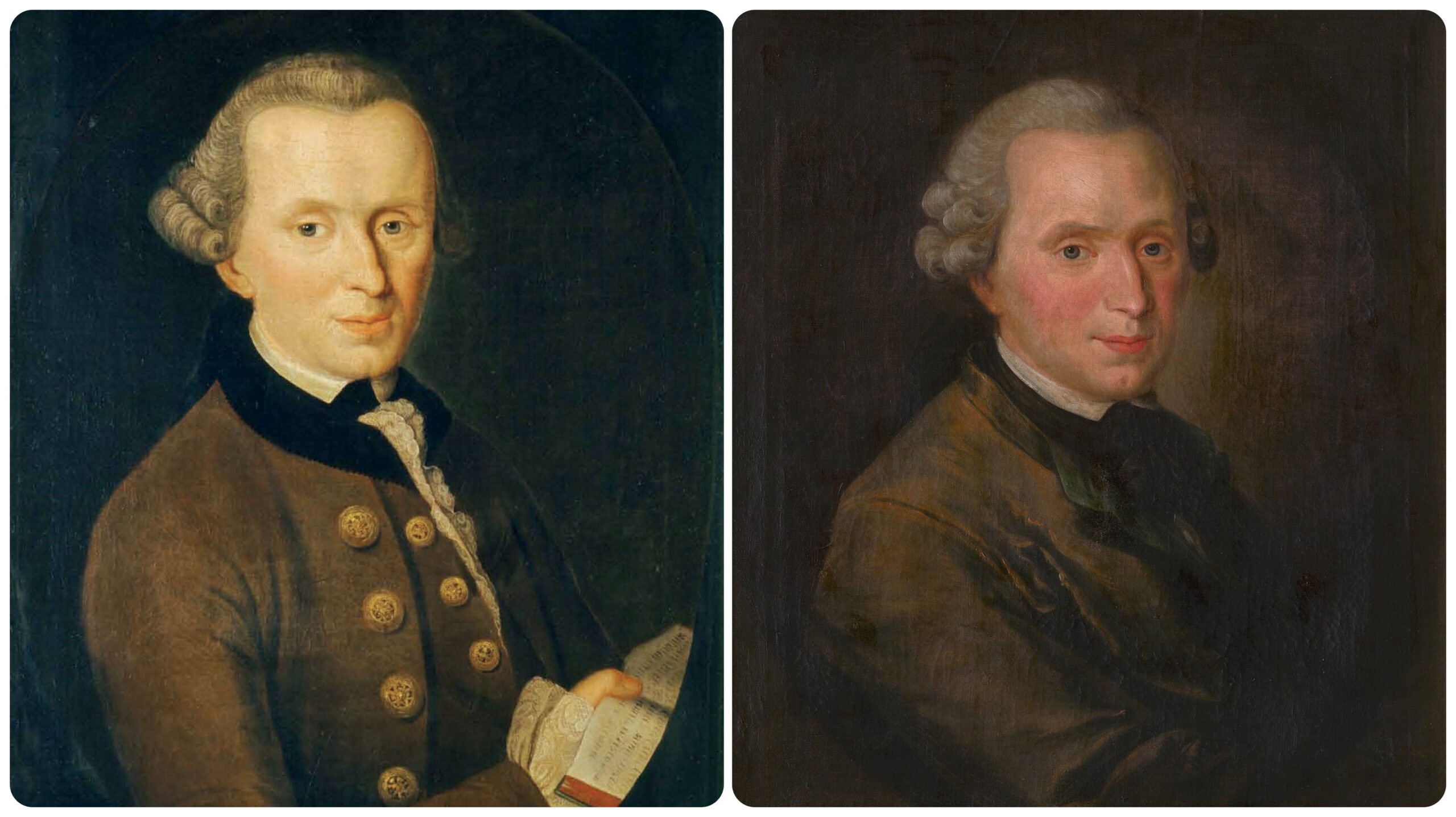
In the history of philosophy, few thinkers have reshaped human understanding as profoundly as Immanuel Kant. Born in 1724 in Königsberg, Kant brought together rational thought and moral philosophy in a way that continues to influence ethics, politics, and modern intellectual life. His work sought to answer a powerful question: What makes an action truly moral?
The Foundation of Kant’s Ethics: Duty and Reason
Kant believed that morality is not based on consequences, emotions, or personal gain. Instead, it is grounded in duty guided by reason. For him, a moral action is one performed out of a sense of obligation to what is right, not because it produces good results or avoids punishment.
This idea marked a major shift in ethical thinking. Morality, according to Kant, must be universal, rational, and consistent for all human beings.
The Categorical Imperative: A Universal Moral Law
At the heart of Kant’s philosophy lies his most famous concept, the Categorical Imperative. It is a principle that helps determine whether an action is morally right.
Kant expressed it in several ways, the most important being:
* Act only according to a rule that you would want everyone else to follow
* Treat every human being as an end in themselves, never merely as a means
This means that lying, cheating, or exploiting others is always wrong, even if it leads to a good outcome. Why? Because such actions cannot be applied universally without creating contradiction or injustice.
Kant’s moral philosophy demands consistency, fairness, and respect for human dignity.
Freedom and Moral Responsibility
Kant believed that true freedom is not about doing whatever one desires. Instead, it is the ability to act according to rational moral laws that one gives to oneself.
This idea connects freedom with responsibility. A person is truly free when they act ethically through reason, not when they are controlled by impulses or desires.
Knowledge and the Limits of Human Understanding
Beyond ethics, Kant also transformed philosophy through his work on knowledge. In his famous book, Critique of Pure Reason, he argued that while we can understand the world through our senses and reason, there are limits to what humans can know.
We cannot fully access ultimate reality, what Kant called the “thing-in-itself”. Instead, we understand the world as it appears through our mental structures. This insight reshaped modern philosophy and influenced fields like psychology and cognitive science.
Why Kant Still Matters Today
Kant’s philosophy remains deeply relevant in today’s world of ethical challenges, technology, and global society. His ideas guide discussions on:
* human rights and dignity
* justice and law
* ethical decision making
* responsibility in science and technology
* equality and universal values
In a world where outcomes often overshadow principles, Kant reminds us that how we act matters as much as what we achieve.
Final Takeaway
Immanuel Kant taught that morality is rooted in reason, duty, and respect for humanity. His philosophy calls for a world where actions are guided not by convenience or emotion, but by universal ethical principles.
His message continues to resonate with clarity: do what is right because it is right.