
Human rights are often described as the basic freedoms and protections that belong to every human being, regardless of nationality, religion, gender, language, or social status. Today, the concept forms the foundation of international law and democratic values across much of the world. However, the idea of human rights did not emerge suddenly in the modern era. It evolved gradually over thousands of years through philosophy, religion, revolutions, and political struggles.
The term “human rights” became widely popular in the twentieth century, especially after the devastation of the Second World War. Yet the roots of these rights can be traced back to ancient civilizations. In Mesopotamia, one of the earliest legal codes, the Code of Hammurabi from around 1754 BCE, attempted to establish rules of justice and punishments. Although unequal by modern standards, it represented an important step toward organized legal protection.
Ancient Indian traditions also discussed justice, duty, and respect for human dignity through concepts such as “Dharma.” Similarly, ancient Greek philosophers like Socrates, Plato, and Aristotle debated ideas of justice, citizenship, and moral responsibility. In China, Confucius emphasized ethical governance and humane treatment of people.
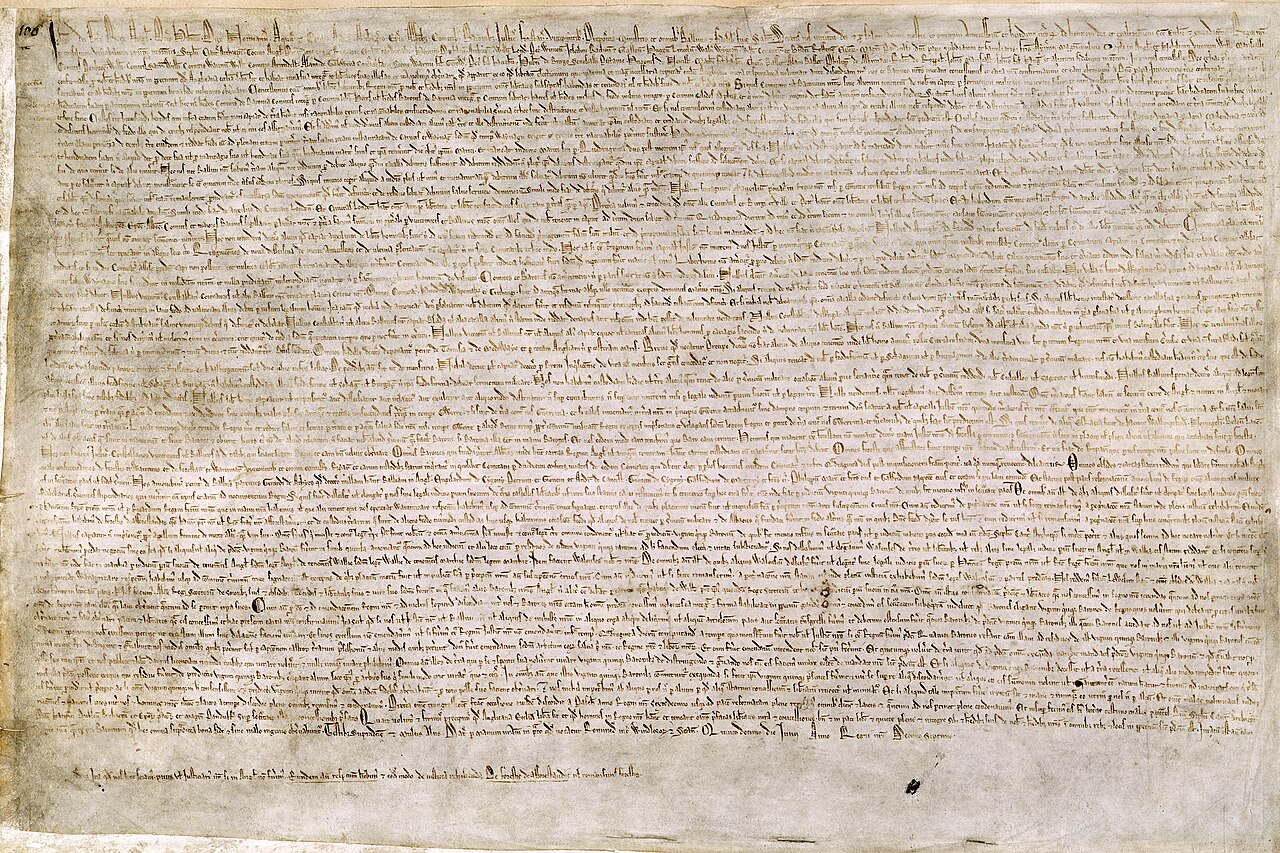
One major milestone in the history of rights came in England in 1215 with the Magna Carta. This document limited the powers of the king and established that rulers were also subject to law. Over time, this principle influenced constitutional government and civil liberties in many countries.
The seventeenth and eighteenth centuries witnessed the rise of Enlightenment thinkers such as John Locke, Jean-Jacques Rousseau, and Montesquieu. Locke argued that every person possessed natural rights, including life, liberty, and property. These ideas strongly influenced the American Revolution and the French Revolution. The French Declaration of the Rights of Man and of the Citizen in 1789 declared that all men were born free and equal in rights.
The nineteenth century saw movements against slavery, colonial exploitation, and discrimination. Activists across Europe, the Americas, and Asia demanded greater political participation and equality before law. The abolition of slavery became one of the most significant human rights achievements of the era.
After the horrors of the Holocaust and the Second World War, the global community recognized the need for international protection of human dignity. In 1948, the United Nations adopted the Universal Declaration of Human Rights under the leadership of figures such as Eleanor Roosevelt. The declaration established universal standards for freedom, equality, education, work, and protection from oppression.
Today, human rights continue to evolve as societies debate issues such as digital privacy, refugee protection, gender equality, climate justice, and freedom of expression. While challenges remain, the long history of human rights reflects humanity’s enduring struggle for justice, dignity, and equality for all.
Origin and evolution of human rights